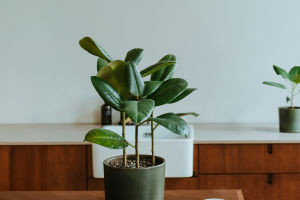
Plants may not speak, yet they communicate constantly. Their messages appear through posture, growth pace, leaf texture, and subtle shifts that unfold over time.
Learning to notice these signals changes plant care from guessing into listening. Instead of reacting quickly to every change, you begin to understand what the plant is adjusting to and why.
This awareness builds confidence and reduces stress on both sides. For Lykkers who enjoy plant care as a relaxed and meaningful practice, reading plant signals becomes a gentle skill rather than a technical task.
What Plants Express Through Posture
This first part focuses on how plants communicate through position and movement. These cues are often the clearest signals.
Leaf angle reflects comfort
Leaves naturally hold a position that balances light capture and internal pressure. When a plant feels comfortable, leaves often appear open and steady. If leaves angle sharply upward or droop downward, the plant may be responding to light, moisture, or recent change. These shifts are not complaints. They are adjustments. Watching how leaf angle changes over days rather than hours provides better insight into what the plant is processing.
Stem direction shows energy focus
Stems lean toward what supports growth. A steady lean toward light suggests active engagement. Sudden or uneven leaning can signal imbalance or recent disruption. When stems twist or stretch unusually, the plant may be reallocating energy to adapt. These movements reveal where energy is flowing and whether conditions feel supportive.
Stillness can be meaningful
Lack of visible change does not mean inactivity. Plants often pause growth while reorganizing internally. This stillness communicates preparation rather than stagnation. Recognizing this message prevents unnecessary intervention and allows natural progress to unfold.
How Leaves Share Detailed Clues
Leaves provide more than color information. Texture, spacing, and consistency all carry meaning.
Texture reveals internal balance
Healthy leaves often feel flexible and resilient. When leaves become unusually stiff or soft, the plant may be adjusting water movement or responding to air conditions. These changes usually appear gradually. Feeling texture through observation rather than frequent handling respects the plant while still offering insight.
Spacing shows growth confidence
Leaves that emerge evenly spaced often signal stable conditions. Crowded or uneven spacing may reflect competition for light or internal uncertainty. This pattern helps identify whether the plant feels balanced in its environment. Spacing tells a story about how comfortable the plant feels expanding.
New growth reflects current conditions
New leaves act like reports from the present moment. They show how the plant experiences light, air, and moisture right now. Differences between new and older leaves often highlight recent changes rather than problems. Reading these differences helps you understand timing and response.
Growth Pace as Communication
Speed matters as much as appearance. Growth rhythm often communicates more than size.
Slow growth can signal adjustment
A slowdown often appears after changes in placement or routine. This pause allows internal systems to realign. It is a message asking for consistency rather than action. Allowing time often leads to clearer, stronger growth later.
Sudden spurts show readiness
When growth accelerates, it usually follows a period of preparation. This surge reflects alignment rather than surprise. Recognizing what preceded the spurt helps repeat supportive conditions in the future.
Uneven growth highlights imbalance
If one area grows quickly while others stall, energy may be unevenly distributed. This imbalance points toward light direction or internal prioritization. Adjustments become clearer once the pattern is recognized.
Plants communicate through posture, texture, spacing, and growth rhythm. These signals form a quiet language that reflects comfort, adjustment, and readiness. By watching patterns, respecting stillness, and responding with patience, you learn to read these messages accurately.
For Lykkers who value relaxed and meaningful plant care, understanding plant signals replaces guesswork with trust. When observation guides action, plants grow with greater balance, and care becomes a calm conversation that deepens over time.